Michael Khalfin

Michael Khalfin

Ph.D. student, Industrial and Systems Engineering · UW–Madison

I build loops where AI agents draft, cheap checks verify, and experts answer only the questions that change the answer.

I like hearing from people building AI systems that work alongside experts.

© Michael Khalfin

Research

2026–present · Ph.D. research

When can a cheap AI judge stand in for experts?

Expert feedback is scarce; an LLM judge is cheap but biased. I combine a small weekly stream of expert answers with many LLM answers to keep a deployed model accurate.
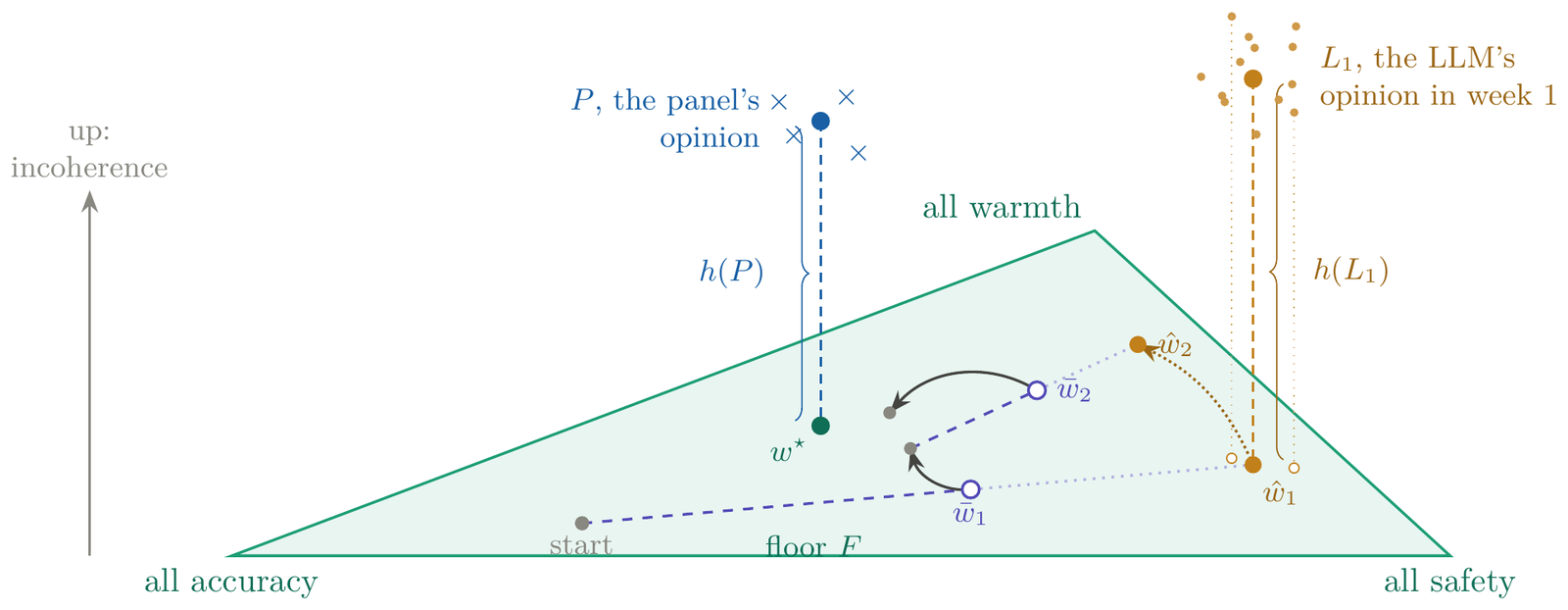
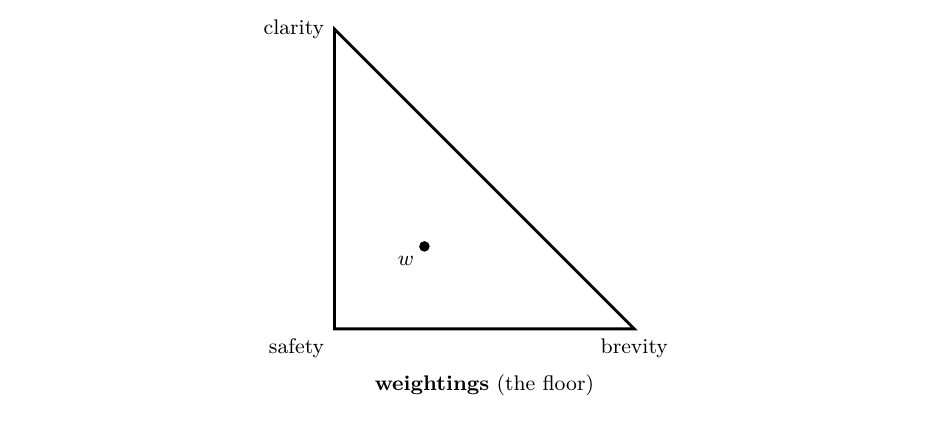
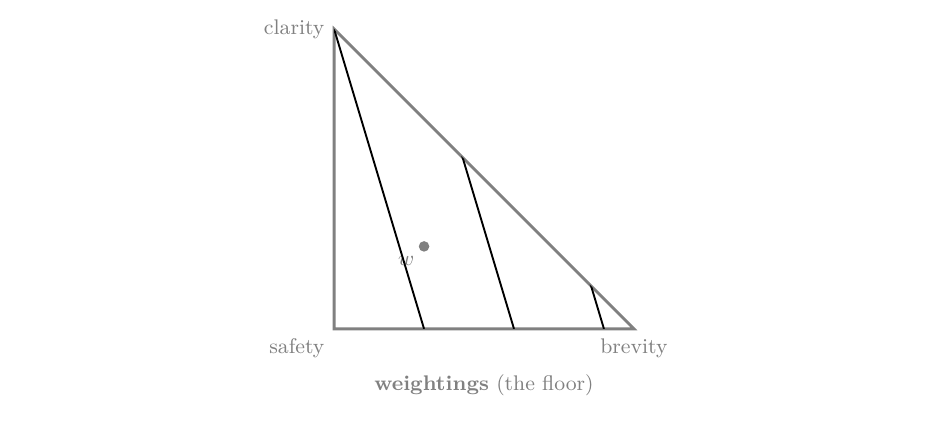
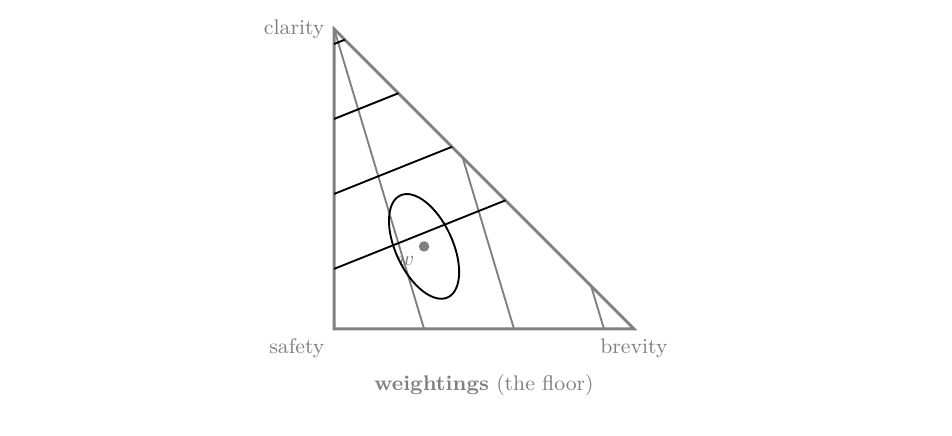
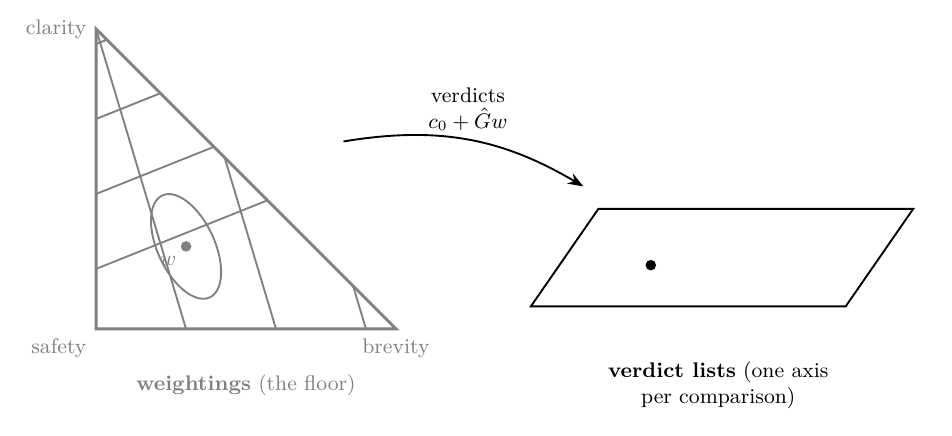
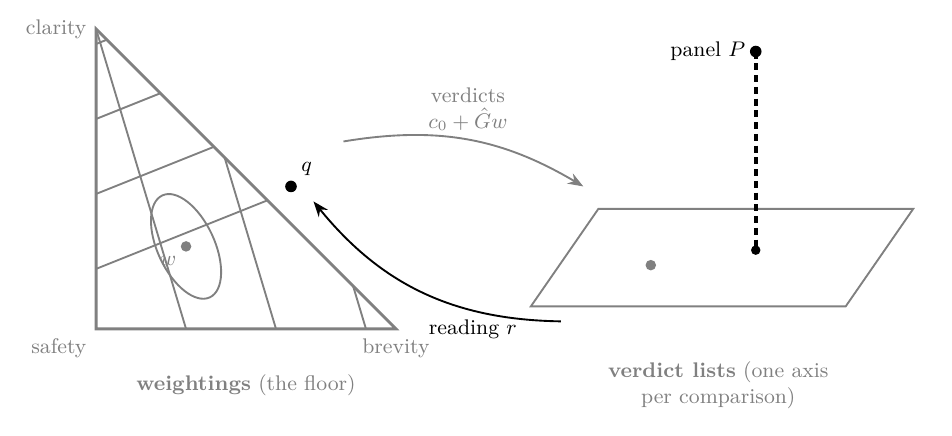
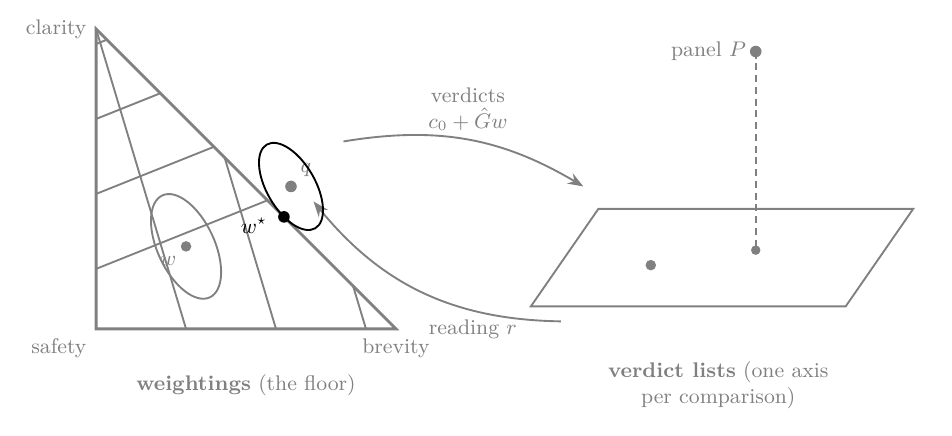
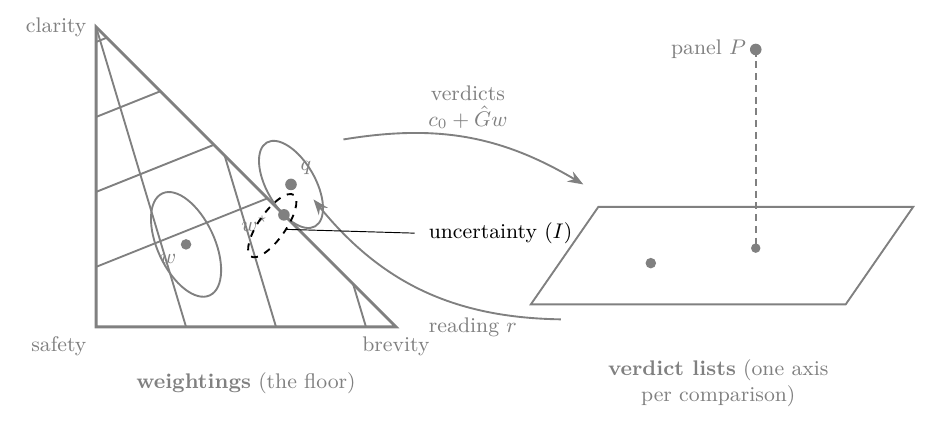
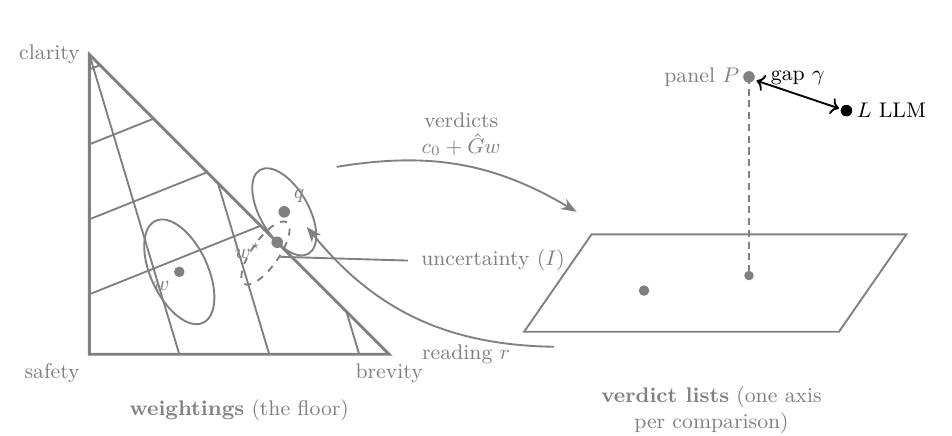
The floor of consistent opinions, with the expert panel and the LLM floating above it
On and off the floor. The floor holds every opinion a perfectly consistent judge could have. The expert panel (blue) and the LLM (amber) float above it. Drop each to the floor and its inconsistency is gone; what's left along the floor is the LLM's bias.
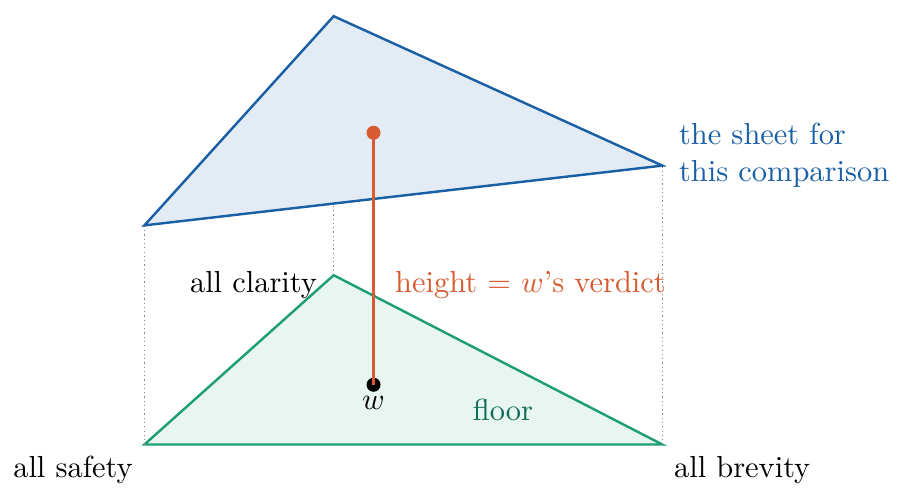
A tilted sheet above the floor; its height over a point is that judge's verdict
A verdict is a height: one comparison is one tilted sheet over the floor.
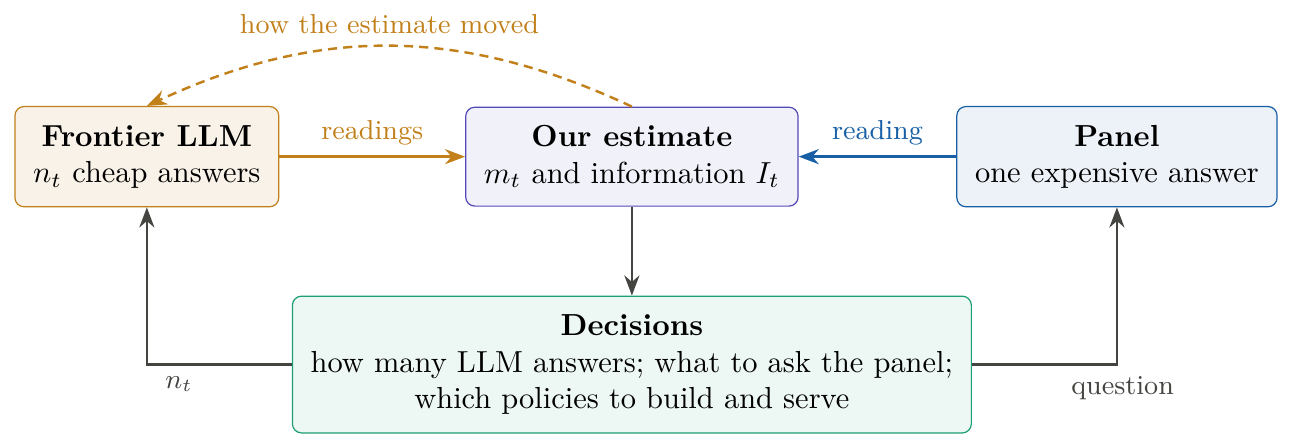
One week: many cheap LLM answers and one expensive panel answer update one estimate
One week: many cheap answers, one expensive one, one estimate.
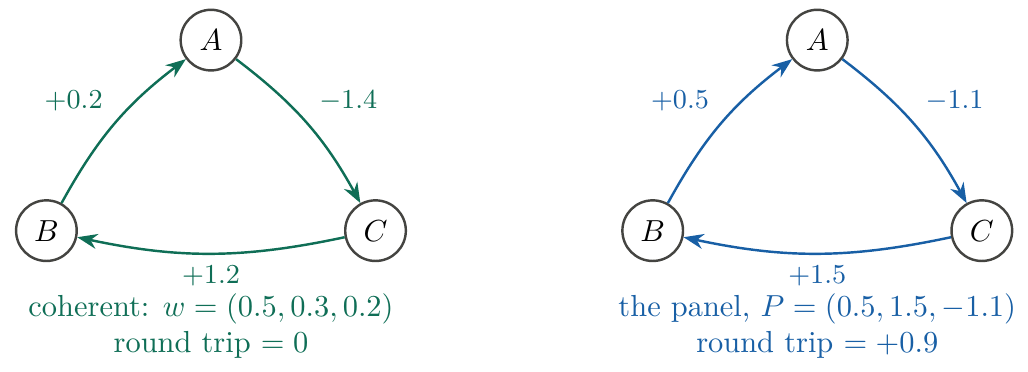
Two cycles of preferences among replies A, B, C: one sums to zero, one does not
Consistent preferences sum to zero around a loop. A real panel's don't.
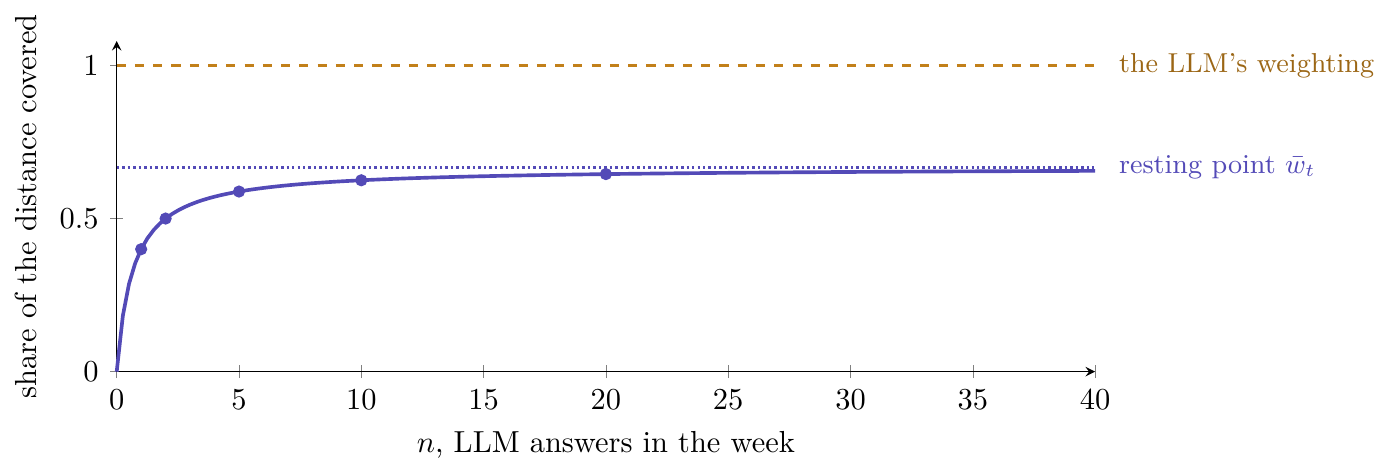
Share of the distance covered against number of LLM answers, flattening quickly
Past the knee, more LLM answers buy almost nothing.
A weighting is a spot on the floor One comparison draws one set of contour lines Many comparisons define a distance A second space: lists of verdicts The panel sits above the plane; drop it and read back Back onto the triangle: the target What the data tells us: an uncertainty ellipse The cheap judge sits a gap away from the panel
1 / 8 A weighting is a spot on the floor · the whole picture, built one page at a time. Claude sends me these on my tablet.
First page of the working paper

2025–2026

Which costly data are worth collecting?

Pick the measurements that pin down the numbers a decision rests on. No prior, no noise model, and it runs on off-the-shelf solvers. Working with Claude, I scaled it to a 6.6-million-variable school-outbreak model.

One formulation, eleven problems.

Public health
School outbreakWho was infected, and when? Test a person for a time window.
Water contaminationWhere and when did it enter? Sample at finer tolerances.
Biology
Food websWho eats whom? Buy gut-content and diet studies.
Metabolic fluxFlows inside a cell? Buy isotope tracers.
Haplotype phaseWhich copy carries each allele? Assays comparing two sites.
Engineering
Traffic tomographyFlows by vehicle class? Sensors of increasing resolution.
Model-based diagnosisWhich component failed? Choose test probes.
Unmetered solarLoad vs. solar split? When and where to meter.
Economics & supply chains
Interbank contagionWho owes whom? Legal data requests.
Suppressed travel demandDemand at service never offered? Surveys, traces, pilots.
Supply-chain provenanceWho shipped each part? Declarations, audits, lab tests.
take take best seen while watching watch then take what beats it arrivals, one at a time →

Rice, 2024–2025 · with Sebastian Perez-Salazar

Choosing on the spot

Options arrive one at a time, and each must be taken or passed for good (the k-secretary problem). I derived closed-form guarantees for simple threshold rules, 1.3x better than the previous best.

Projects

AI agent writes the transpiler 51 checks must match reference code each failure becomes a new constraint MODEL BUILD TIME, 42M VARIABLES standard 117 min transpiled under 1 min

Sandia National Laboratories, 2025–present

Verifying AI-written code

I directed AI agents to write two Pyomo-to-Gurobi transpilers, provably correct for the target class of models. The output had to match a reference on 30 reduced instances and 21 small models that each test one modeling construct.

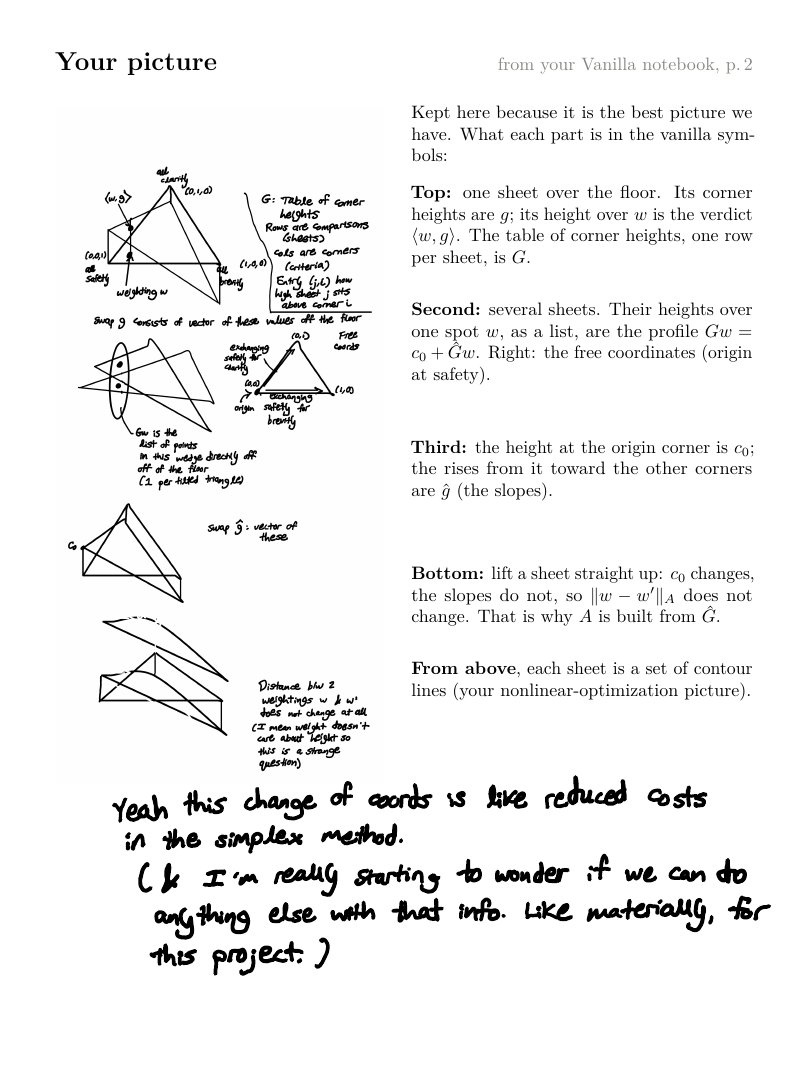
A page from my research notebook on the reMarkable

Pages from my research notebook.

Personal · used daily

Claude ↔ reMarkable loop

I wanted to work through papers on paper, rather than chatting with a screen. So I built a loop: Claude sends prompts to my reMarkable, reads my handwritten notes, and decides what to ask next.

Input weight patterns of the three first-layer hidden neurons

What each of the three hidden neurons looks for in a 7×7 digit (blue: pushes up, red: pushes down).
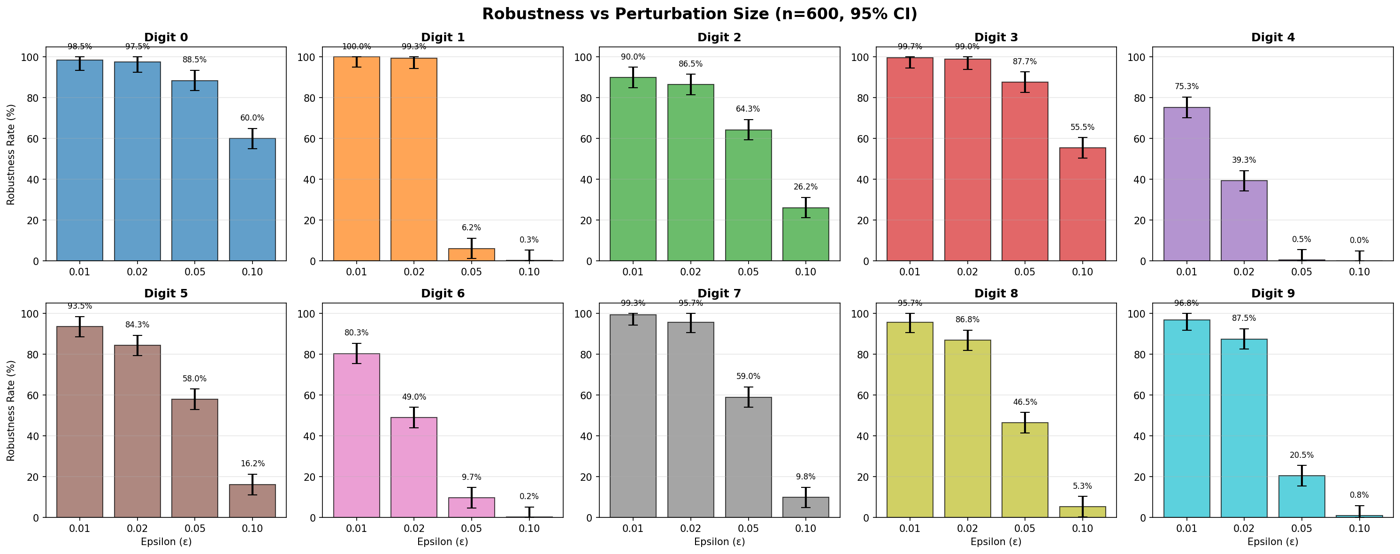
Share of test digits certified robust, by digit and perturbation size

Share of 600 test digits certified robust at each perturbation size.

Rice, 2025 · with Charlie Cruz and Burton Alexander · COMP 414

Inside a tiny neural network

Certified a small MNIST classifier's robustness with an LP relaxation, and found hidden neurons you can read.

Interactive demo

Which decisions does an optimal algorithm need?

The best possible rule for the k-secretary problem comes out of a linear program as a table of decisions.

Publications

CV

About me

Peony farm in Homer, Alaska

Harvesting flowers in Alaska

Several weeks on a small peony farm in Homer, AK: picking, cleaning, and packing flowers. Rustic, peaceful, restful.

Chess at Széchenyi Bath, Budapest

Chess at Széchenyi Bath

"Chess tourists" from Denmark and Moldova in a Budapest thermal bath. A friend, three Kazakh students, and I took them on for hours.

Cycling in Hungary

Biking in Hungary

I thought we were taking the train to Eger. We cycled about 30 miles instead, and drank a whole liter of grape juice on the way.

Bavarian breakfast in Regensburg

Bavarian breakfast

A friend's 21st birthday in Regensburg. After a long night out: sausage, pretzels, and coffee.

Polar plunge near Stockholm

Polar plunge

33°F water in a village near Stockholm, right after a dry sauna. A test of discipline that feels great.

Books I love